
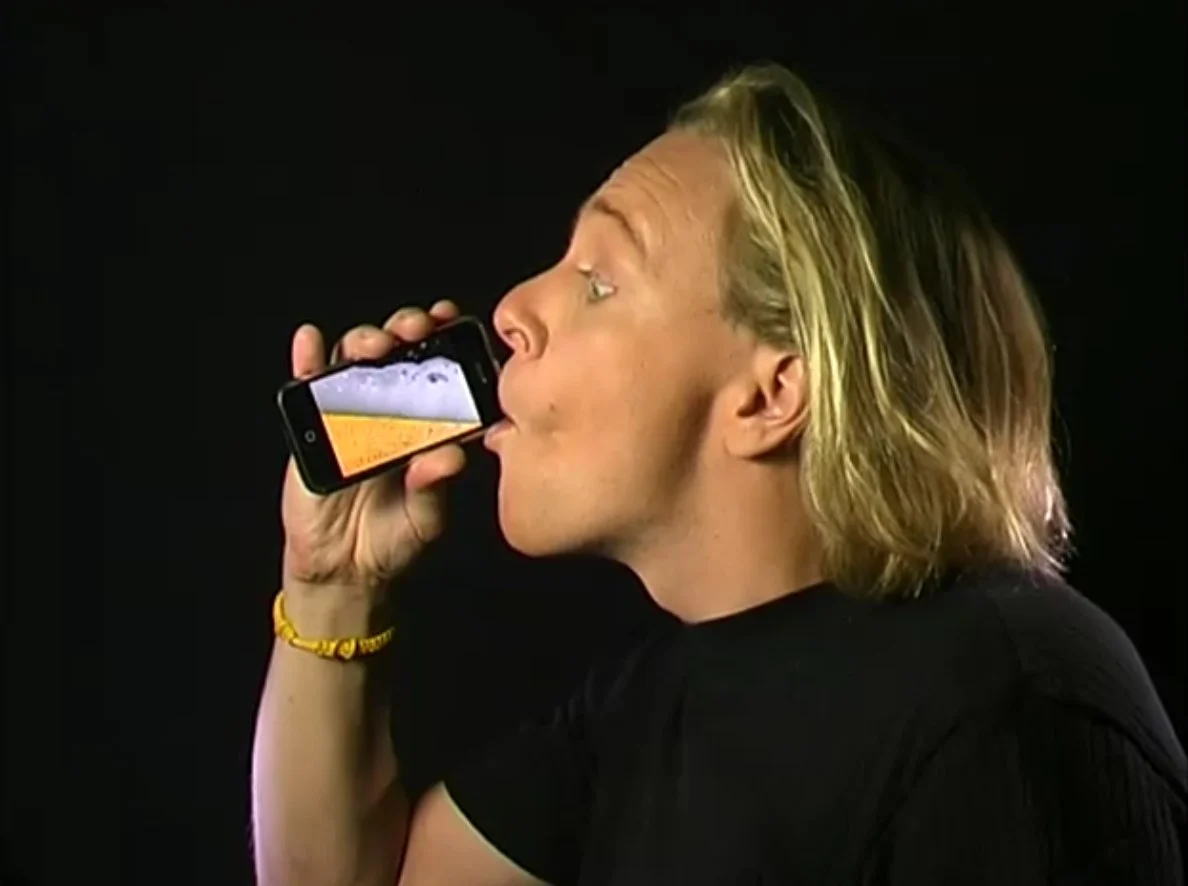
I remember back in 2008 when the App Store first launched for the iPhone. Developers went wild and took advantage of the accelerometer. One of the most popular apps that I remember was iBeer, which showed a glass of beer that drained when you tilted your iPhone, like you were drinking it.
People passed their phones around school just to show it off, and it was pretty fun, to be honest. There were others like it too, including the candle or the lighter app that people held up at concerts.
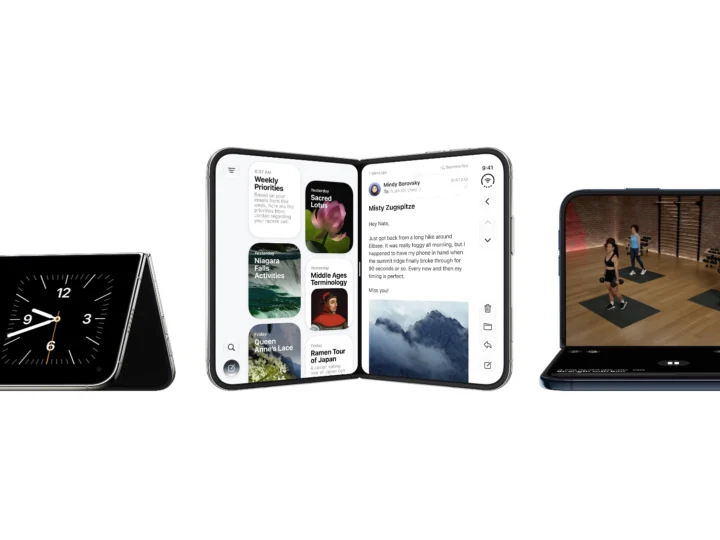
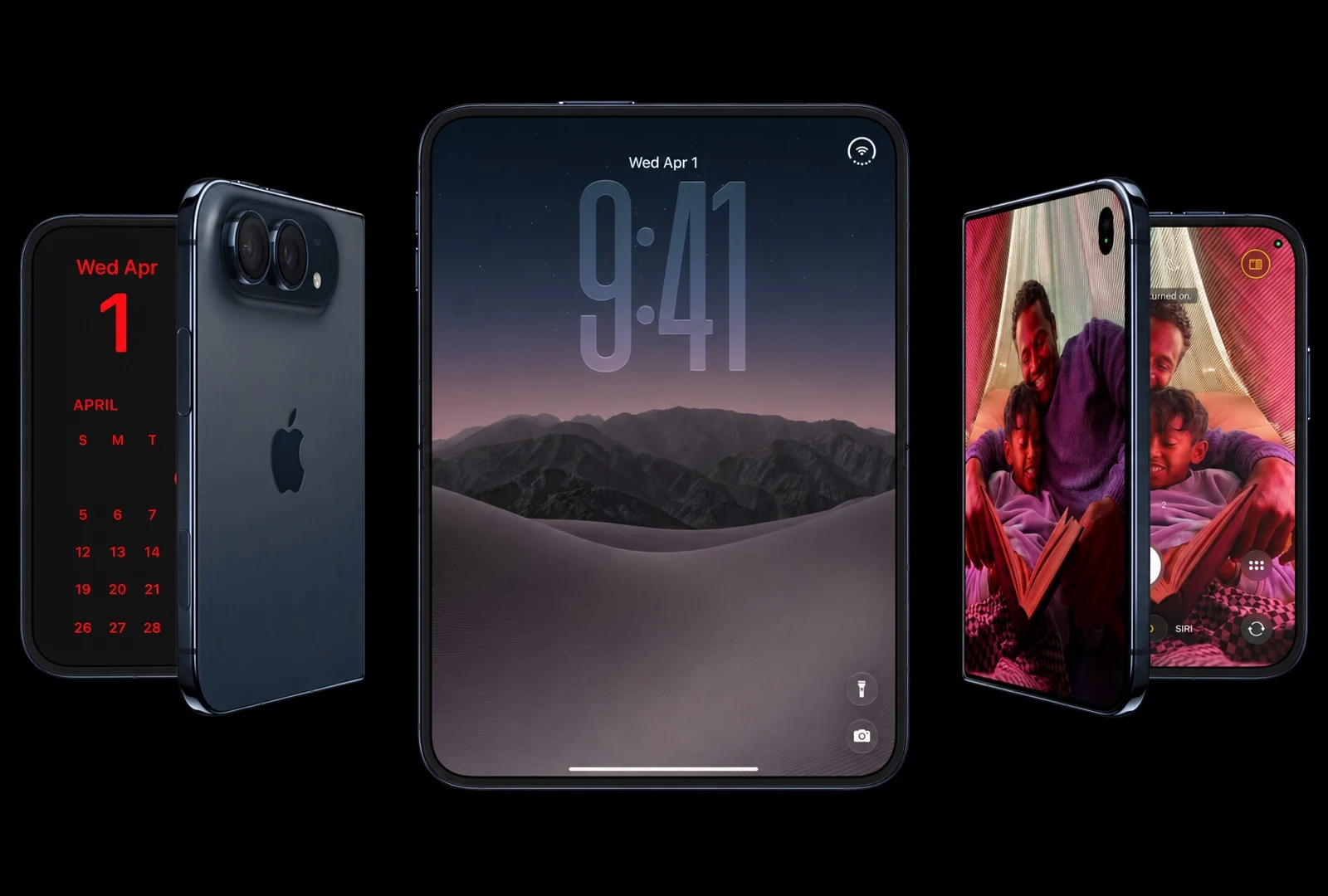
That brings us to today. My iPhone Duo hasn’t arrived yet, but the apps being made for it are giving me the same 2008 feeling. Developers are designing apps that are just plain silly, but fun, and give the Duo a very light reason to exist.
Why the silly apps happened
The App Store first saw daylight on the iPhone on July 10, 2008, with only about 500 apps. The iPhone had sensors that most of the competition didn’t, which gave Apple an edge. An accelerometer made sure that the phone knew it had been tilted, and there was multi-touch and a mic.
Early on, developers didn’t know what serious apps to build with them yet, so they made toys first, so users could have fun. While it was all fun and games, developers made real money. iBeer cost only $2.99, sat at the #1 spot for about a year, and earned $10,000 to $20,000 a day at its peak.
The Duo now has sensors of its own: the hinge knows how far it’s folded, and there are two screens. So developers are playing again, at the same price. Toastie costs just as much as iBeer did when it was released.
Then: iBeer / Now: Toastie
iBeer was the biggest silly app of its time, with over 90 million downloads by 2014. Toastie is just as simple and intuitive, with the same price tag of $2.99. It lets you stack bread and cheese on screen, then close the Duo like a sandwich press to toast it. That’s it. Both of these apps copy a real-world action, drinking or pressing, using the phone to mimic the scene. Toastie is nostalgic for me, as it represents the same idea but with a different phone, and there’s something exciting about that.
We turned the iPhone Duo into the world’s most expensive toaster 🥪
Build the sandwich quickly, then close your Duo to toast it. Don’t burn it though!
Check it out: https://t.co/riRVUFLlm1 pic.twitter.com/0llh2lv9R1
— Tom Szykulski (@t_szykulski) October 7, 2026
Then: Ocarina / Now: Fold Accordion
Ocarina was about $1 from Smule, and it turned the iPhone into a small flute. You blew into the mic to make sound and pressed the four circles on the screen, like the holes of a real ocarina, to change notes. Fold Accordion is priced at $2.99 and uses the Duo’s hinge like an accordion’s bellows. Opening and closing the hinge pushes the digital “air.” It also has a mode that teaches you songs. Both apps represent the same idea of creating music from a phone’s hardware.
Then: Labyrinth / Now: Orisuji
Labyrinth by Illusion Labs was a simple wooden maze game where you tilted the phone to roll a metal ball past holes. The new app for the Duo is called Orisuji, and it costs $4.99, giving you a paper-style maze you solve by folding the screen, going between the inner and outer screens. In comparison, Labyrinth used tilt, while Orisuji uses the fold mechanism, which shows that the idea is the same, but the hardware is new.
Then: Phone Saber / Now: Foldfish
The Phone Saber app made lightsaber sounds as you swung your iPhone through the air. It didn’t serve a purpose and only sounded cool when you acted it out with your friends. Foldfish is a free app that lets you flip open your iPhone Duo to cast a fishing line and then fold it back to reel it in. In both cases, a physical movement triggers the fun reaction.
Then: Bubble Wrap / Now: Fold & Squish
Bubble Wrap apps let you pop bubbles for no reason other than it felt good, as it does in the real world. Fold & Squish is a free app that lets you paint on one half of the screen, fold the Duo, and get a mirrored inkblot picture. Neither app has a real purpose, and that’s exactly the appeal.
Then: the iPod / Now: Deck-Man
Early iPhone owners still loved the iPod and its music player vibes. Deck-Man is $4.99, and it turns your iPhone Duo into a retro cassette player where closing the fold starts the tape. It’s a brand-new, ultra-modern device that delivers an old, nostalgic feeling.
Deck-Man is out now! Excited for people to not only try out the app on iPhone Duo but also on their iPads and other phones.https://t.co/kny3NNm9hv pic.twitter.com/4qz3yCecEH
— Vidit Bhargava (@viditb) October 23, 2026
Gimmicks come first, then the good stuff
The accelerometer started with iBeer. Then over time, developers found solid reasons to offer useful apps like step counters, proper games like Doodle Jump, and maps that turn with you. Small studios led the way back in 2008, including Smule and Illusion Labs, and small studios are the ones leading the way for the Duo now.
Delta, a free app, turns the Duo into a Nintendo DS, and the game even pauses when you close it. Calm apps are back too, like Koi Pond in 2008, and Portal now, with nature scenes in tent mode.
iPhone DuoでDelta、折り畳むと笑う pic.twitter.com/DySRV7UMBz
— たっくん@超かぐプログラミング本 (@mikuta0407) October 23, 2026
The hinge will follow the same path as the accelerometer, which will push developers to jump from toys to genuinely useful, fold-aware apps later. For now, we can enjoy the silly phase with silly apps, but it never lasts, and after all the fun is over, the Duo will get some pretty interesting apps.