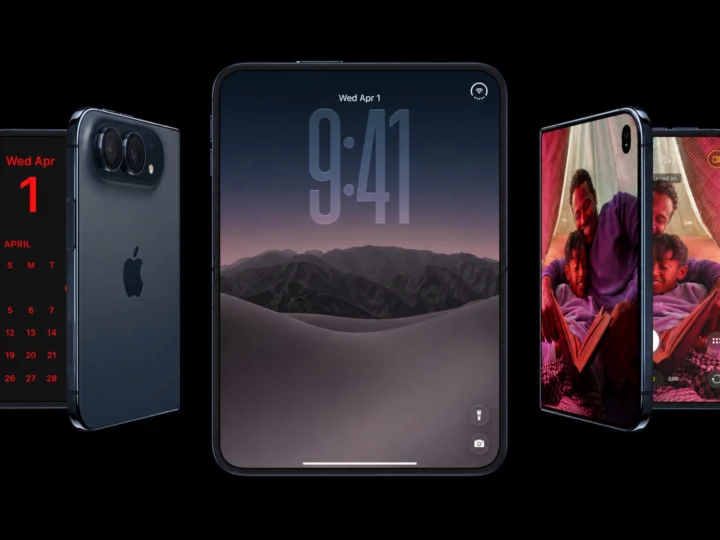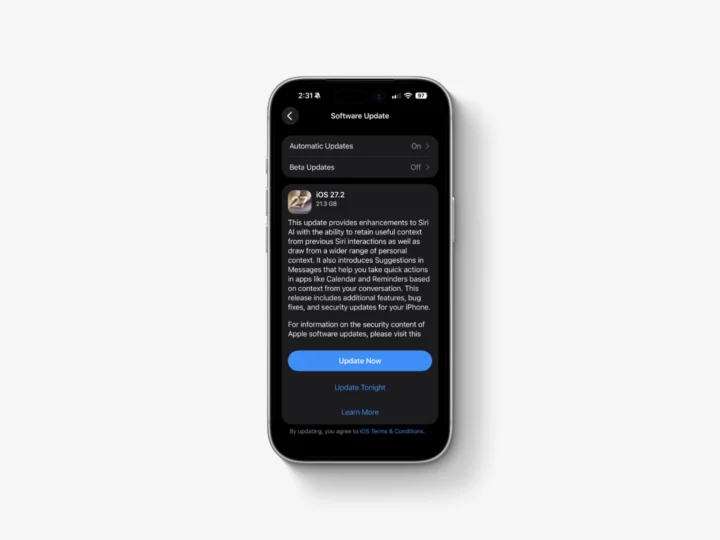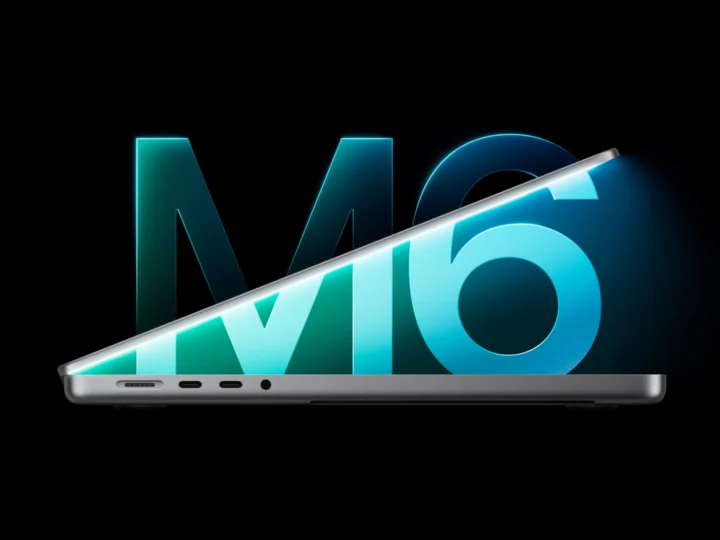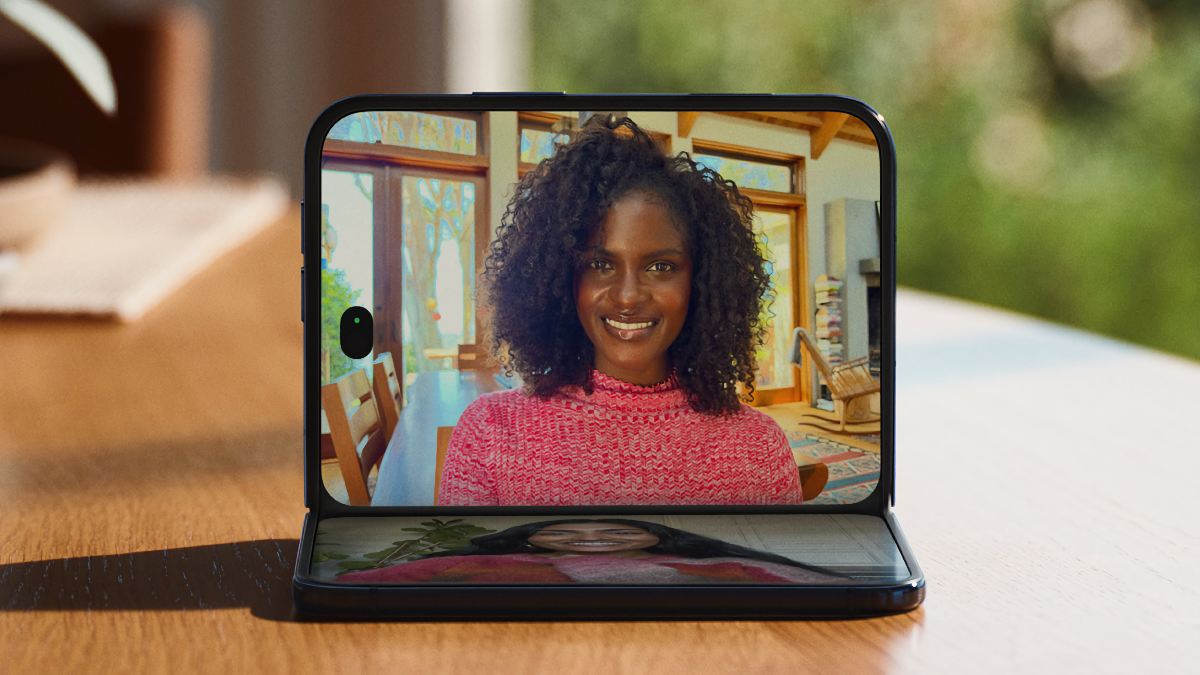

iOS 27.2 just gave iPhone Duo Apple Pencil support on both the inner and outer screens. That’s a tablet feature you get on a phone. It’s not just the Apple Pencil, you will see hints of inspiration in the Duo that Apple got from iPadOS, and it makes sense, since it does feature a bigger screen.
While the device is a hit among users, apart from some pretty genuine screen-cracking concerns, Apple’s devices keep borrowing from each other, and the lines between all major product lines keep blurring. It’s hard to put a finger on Apple’s future plans at this point: does it want each device to be unique in its category, or share the same look one way or the other?
The iPhone Duo wants to be an iPad
Opened, the iPhone Duo has a 7.6-inch display, which is pretty close to another Apple product outside of the smartphone category, the iPad mini. If display size is the subject of discussion, the only difference between the iPhone Duo and the iPad mini is the software experience.
The Duo’s Split View came from the iPad itself, and the Mac got the same feature that very same year. It’s one big circle where a feature is ported across devices over several years. The strange part is that this unification of features goes both ways.
A partially folded iPhone Duo can act as a laptop, with the keyboard on the bottom half and the screen on top. Developers have also used this approach to bring their own version of silly apps to the App Store. However, the functionality of the Duo is pretty limited compared to a Mac.
The Duo also brings support for Apple Pencil, a first for the iPhone, which shows how badly Apple wants the iPhone to be the iPad, but not quite. When it comes to the price, it costs way more than an iPad at $1,999.
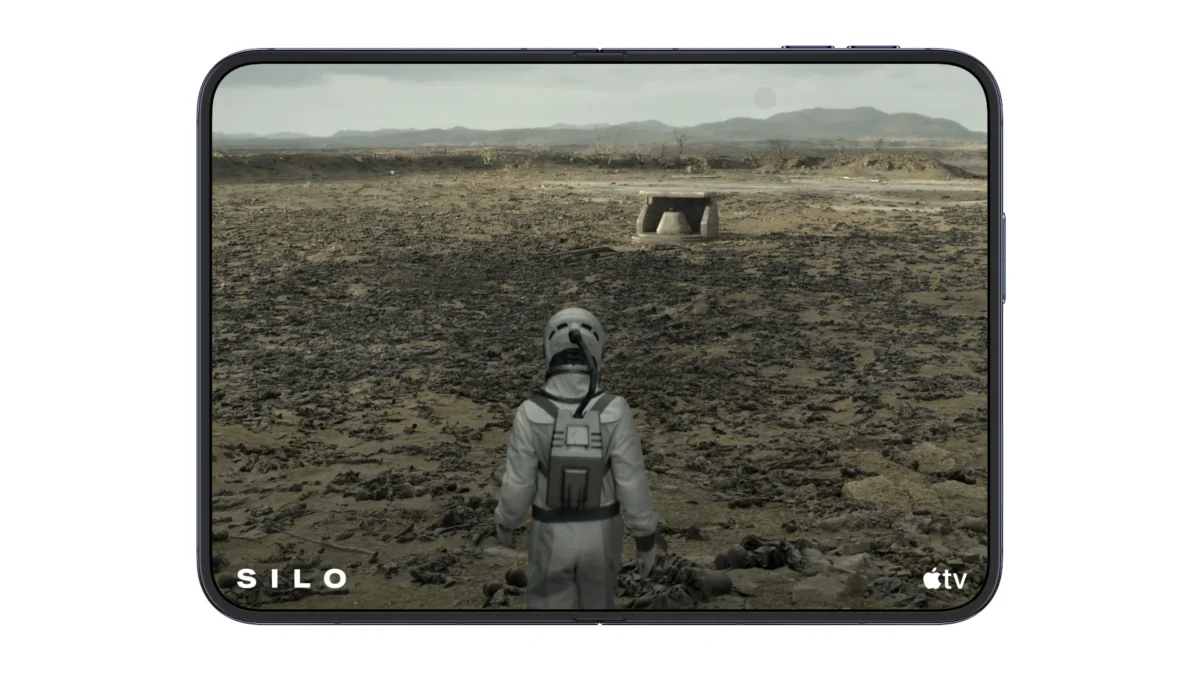
At this point, with unsupported apps, it’s hard to pinpoint if the iPhone Duo feels like a phone or a tablet. It has a niche of its own, and it’s understandable, but the entire premise of having a phone with a larger display boils down to the content on screen. In some areas, media consumption for instance, the Duo could easily replace an iPad mini, but some iOS limitations put the iPad ahead. The iPhone Duo is a phone with a big screen, and the iPad mini is a tablet with a small screen, and somewhere between the two is what this piece is about.
And at $1,999, Apple is asking you to pay for both experiences in one device, without fully giving you either.
The iPad wants to be a Mac
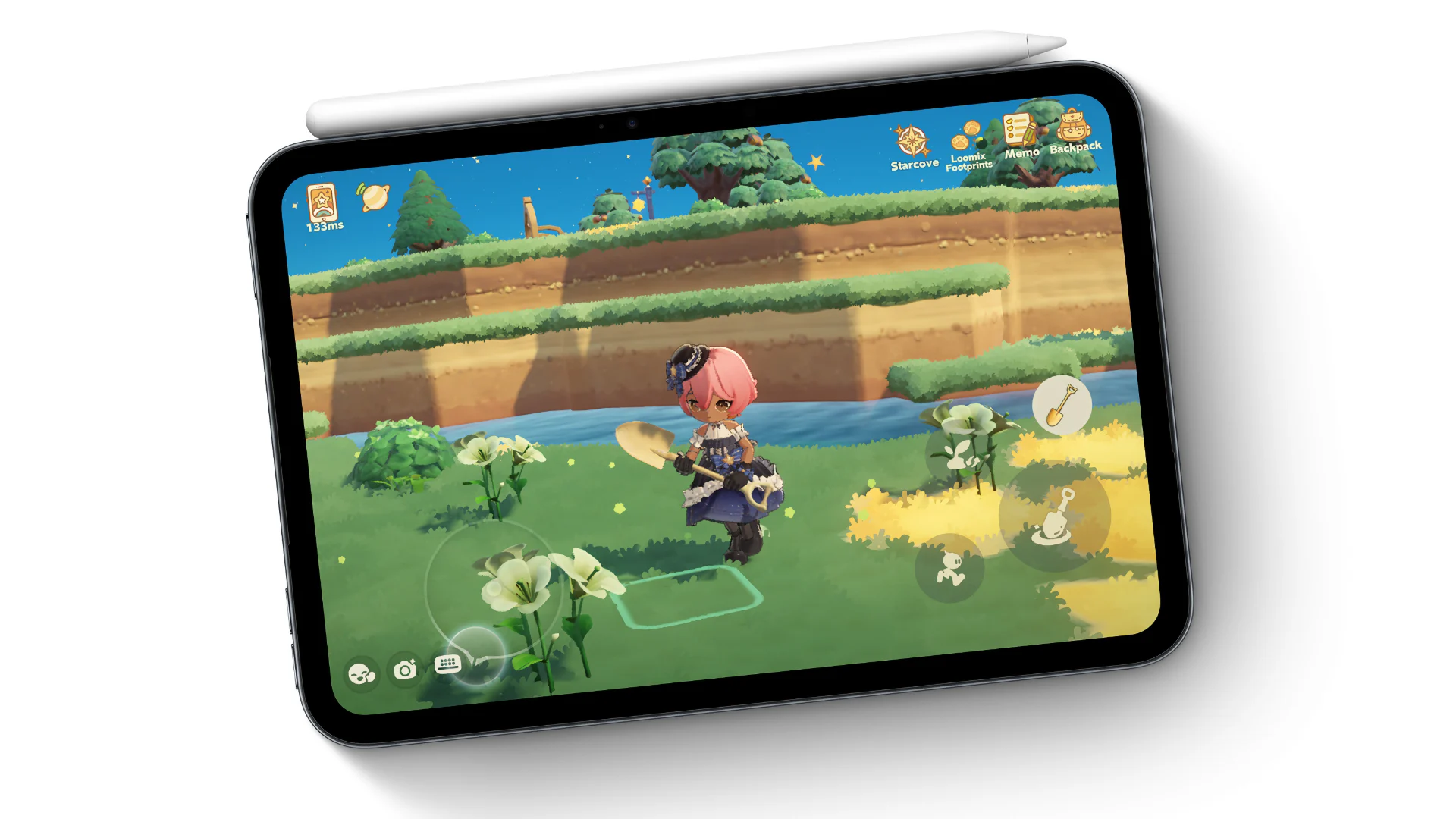
For years, Apple has pitched the iPad as “your next computer.” iPadOS 26 finally gave the iPad more headroom to perform with Mac-style windows and some navigation controls, especially with a keyboard and mouse. But it’s still not a Mac, and I can tell that it badly wants to be.
Apple can easily port macOS to the iPad with some enlarged buttons and icons for finger or touch-based input. The MacBook Neo runs the latest macOS version, and it runs on a mobile chip, so performance is no longer a barrier for Apple. If it decides to, Apple can bring macOS to the iPad in a jiffy.
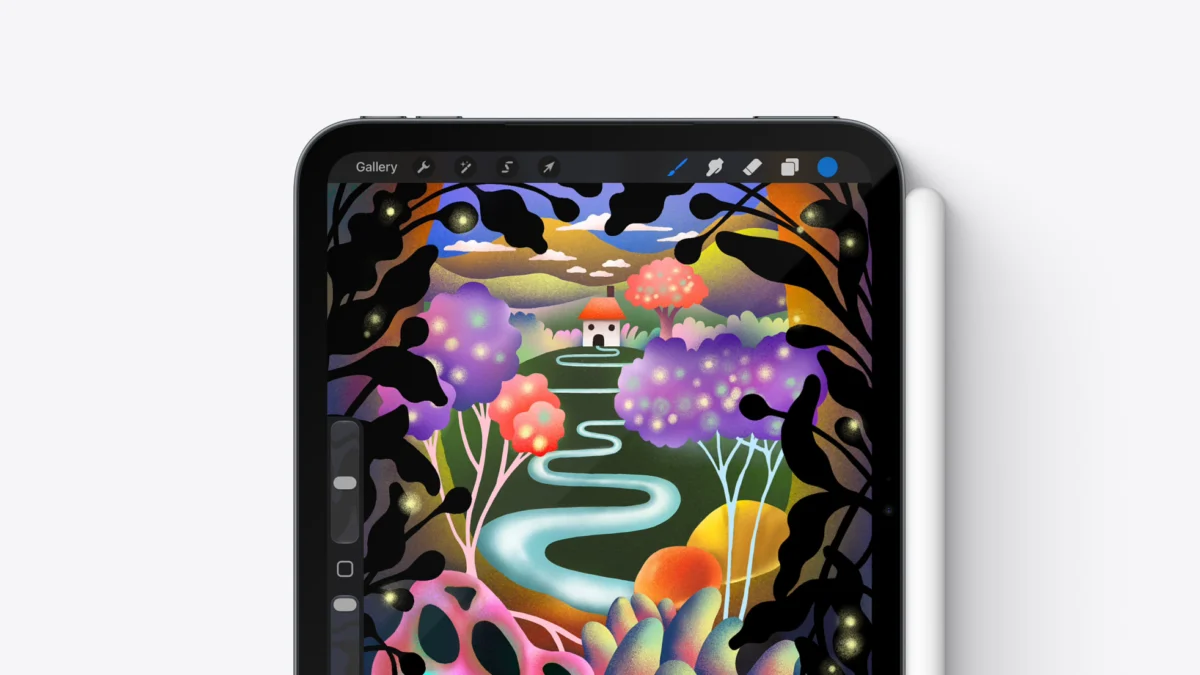
The company has drawn an invisible line between its hardware, and even though both platforms share plenty of similarities, somehow there’s a very clear difference. I work on my M5 MacBook Air and my M5 11-inch iPad Pro combined with the company’s Magic Keyboard. Somehow, when it comes to work, I always reach for my MacBook.
I intentionally left my MacBook behind this weekend and only took my iPad Pro along on a trip to test if the iPad Pro can really replace my MacBook Air. Long story short, I really missed my laptop. It took me way more time to finish a task on my iPad Pro, but it’s great for content consumption, that’s for sure.
iPadOS and the iPad experience keep getting closer to a Mac, but they never quite get there. That’s my take.
Now, the Mac wants to be an iPad
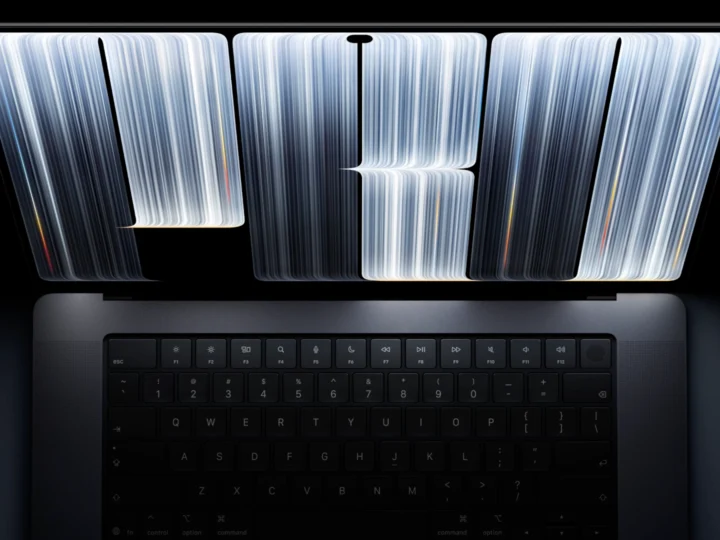
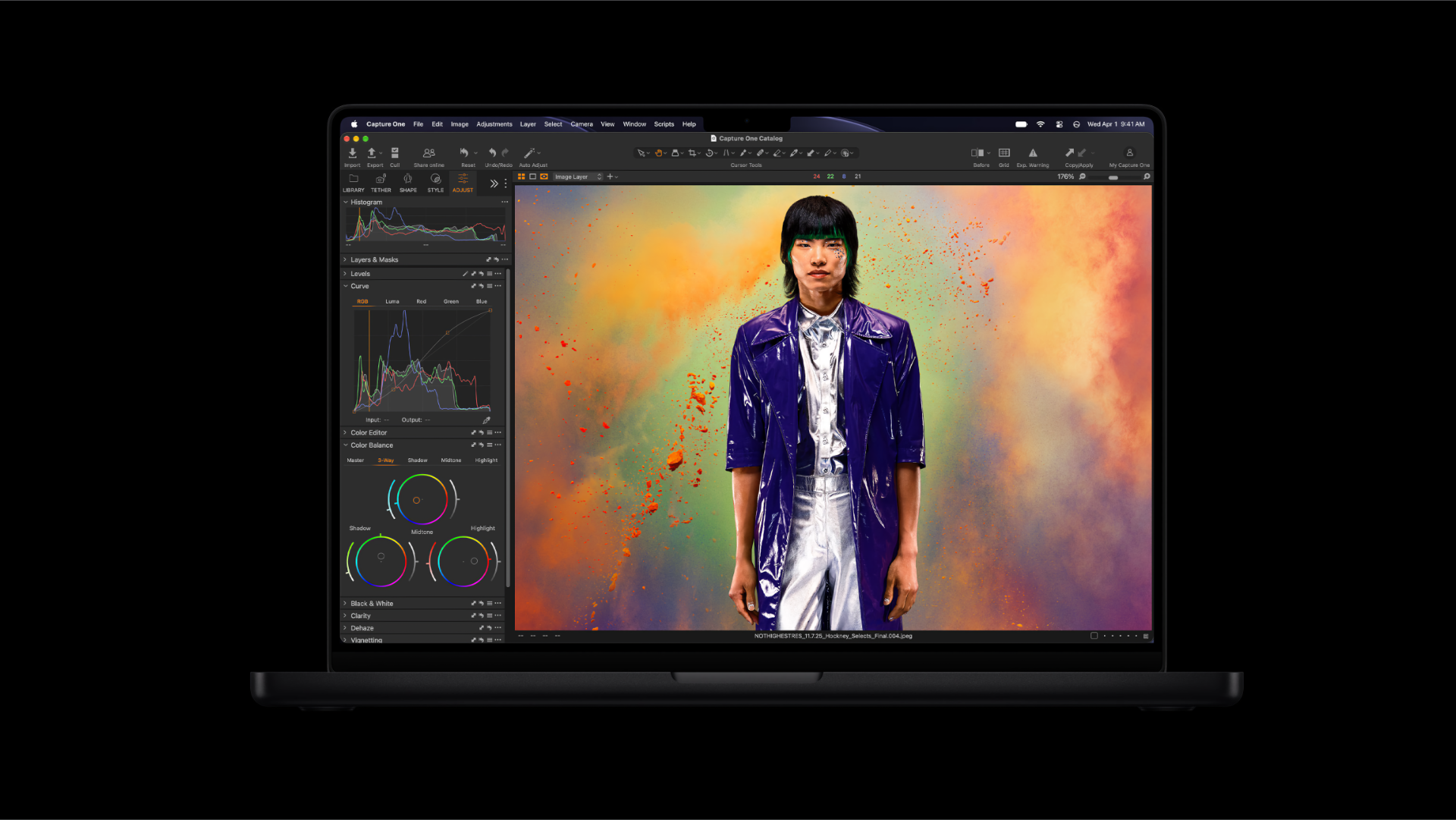
The touchscreen OLED MacBook Pro is expected to be announced tonight, as part of the lineup’s big redesign for the next few years. Apple resisted the idea of a touchscreen on a MacBook for the past 15 years, and this time around, the borrowing runs the other way.
This tells us that it isn’t a ladder, it’s a two-way circle. From one perspective, it’s great that Apple is growing and listening to its customers, adding more controls to its products. It’s too early to draw conclusions about what the experience would be like, so we’ll reserve our judgment for later.
From a general standpoint, I’m glad that touchscreen support is coming to the MacBook Pro, as more options are always a welcome addition. The real test is macOS. A touchscreen is only as good as the software under your finger, and macOS was built for a tiny pointer, not a thumb. If Apple gets that part right, the MacBook Pro could be the first Mac you actually want to touch.
What does it mean?
Every Apple device is borrowing the best parts of the other devices. The iPhone wants to be an iPad, the iPad wants to be a Mac, and the Mac takes the best features from both, as we’ve seen in various software updates. But each device is reserved for its own audience, and that’s a good thing.
Either it’s careful convergence, or Apple avoiding the hard choice of one device that does everything. If you want a device for work, the MacBook is the one to get. If you want the best content consumption experience, there’s no better device than the iPad Pro. As for portability and cameras, the iPhone is your clear choice.
Apple is serving each audience rather than treating the entire population under the same umbrella. Each device wants to do everything, and it’s a win for the end user as a whole. Potentially, all Apple devices will share all the features someday, but present them as their own with respect to their design and hardware.
For now, I’ll keep reaching for my MacBook for work and my iPad for everything else. Which Apple device do you reach for first?